
While researching artist biographies for submission to the huge international database http://www.askart.com, I discovered a fascinating article written by Michael Smithies for the Siam Society Journal entitled “The Bangkok Art Scene in the Early 1960s: A Personal Souvenir” (http://www.siamese-heritage.org/jsspdf/1971/JSS_066_2f_Smithies_BangkokArtSceneInEarly1960s.pdf)
He wrote: “The year 1960 is taken as the starting point for this overview because that was the year before anything noteworthy had happened. The Fine Arts University, Silpakorn, had existed as a degree-giving institution since the Second World War, with numerous faculties. Poh Chang, the Arts and Crafts School founded during the War, turned out larger numbers of diploma students. The pre-university fine arts school, Chang Sin, existed, as its name implies, mostly to prepare students for entry to Silpakorn. Art was taught marginally if at all in some secondary (mathayom suksa) schools and at the College of Education, Prasarnmitr. There was no really art conscious public, no museum of contemporary art, no regular exhibition gallery and no need for one, since the only exhibition of any note or regularity was the National Exhibition held annually in the old Haw Silpa, subsequently pulled down to make way for the new National Theatre.
The 12-page article gives tribute to Silpa Bhirasri for his role as a “tremendous inspirer of persons” managing to “fire the imaginations of young men and a few women” and for starting the annual National Exhibition, creating the first outlet for contemporary art in Thailand.
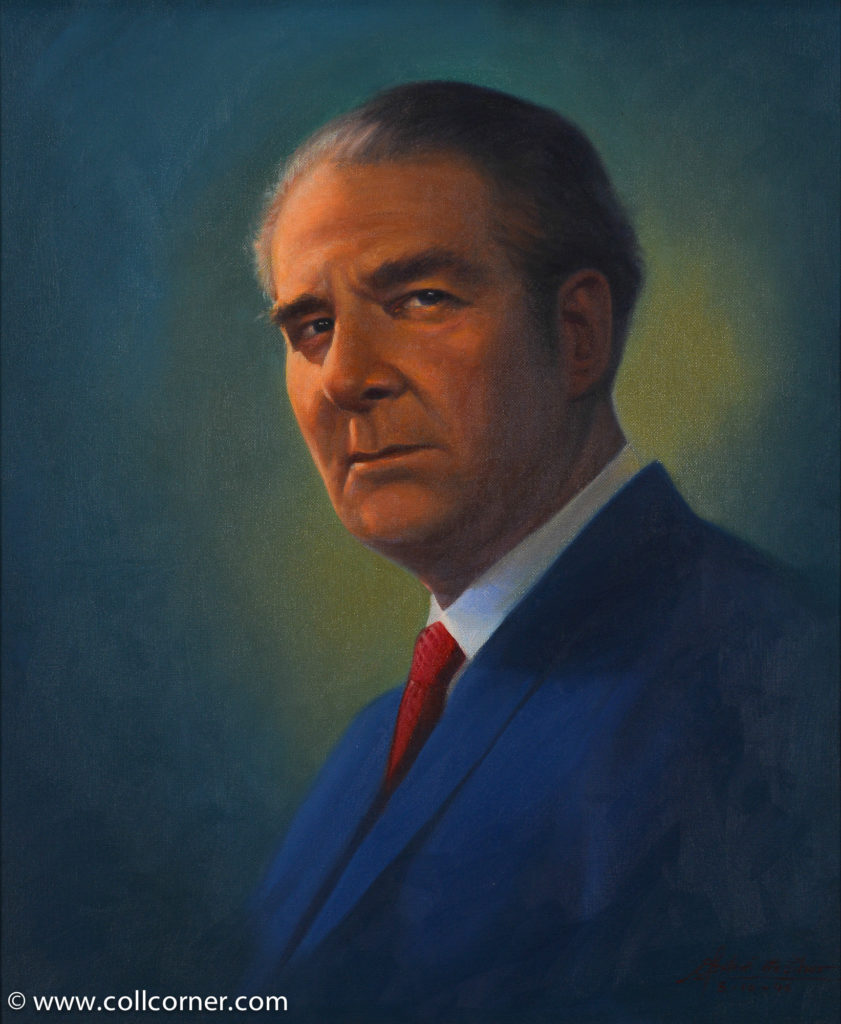
He also recalled that the first exhibitions were held in shophouses–at Makkasan Circle and Patumwan Circle before moving up to Suan Pakkad Palace , Sala Wattanatham (Culture Hall), T.O.T., Silpakorn Gallery (Haw Silpa), British Council and Student Christian Centre. The first art gallery, Bangkapi Gallery opened across from Siam Society. The article provides the names of artists and patrons and grand critiques of their works if you want more details!
But I found his observations on the negative affect of pricing policy to be very insightful. He said that because Thai artists were aware of the high prices charged by international artists, they decided to try for the same. But there was no attempt to educate the Thai public about their art. He said “Thais were not ready to accept the decoration of their homes with pictures for art had been associated with religion. There was no art-buying habit, not even art art-seeing habit, so the market was limited to a handful of people.” He went on to say that the high prices of many exhibitions frightened many people away, alienating their potential public who assumed that all art would always be beyond their means.” It is a good read!
0 comments on “7. Chit-Chat with the Curator: The Bangkok Art Scene in the 60s–When it All Began”